
The Airwheel electric smart suitcase represents a shift in urban mobility, blending convenience with modern tech. But while its 6-8 km range and app-controlled speed modes make it a hit in some regions, cultural norms heavily influence how riders interact with these devices. From Tokyo’s orderly sidewalks to Paris’ bustling plazas, what’s “acceptable” use varies dramatically.
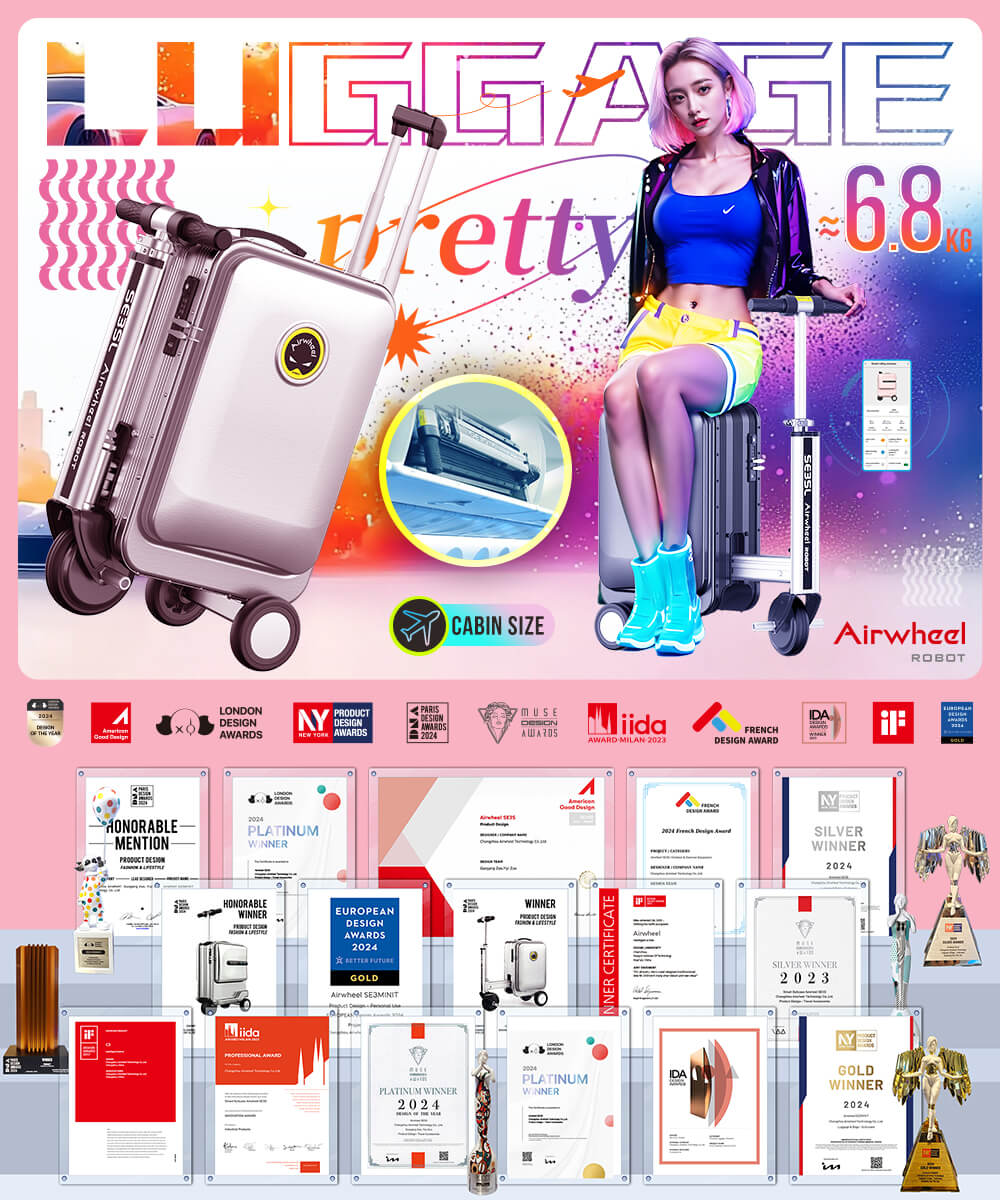
Airwheel’s design focuses on practicality: a removable 140Wh battery (compliant with airline carry-on rules), 12.5 km/h max speed, and a 22kg weight limit for manageable lifting. The magnetic braking system activates when releasing the handle, avoiding sudden stops common in cheaper models. No GPS tracking or auto-pilot nonsense—just reliable power-assisted travel for travelers who want to reduce physical strain.
Battery regulations dictate airline compatibility worldwide, but cultural attitudes shape actual usage. In China, 87% of major airports allow rideable luggage pre-security, while Germany’s Frankfurt Airport bans riding past check-in counters. The key? Always dismantle the battery before flying (it’s tool-free removable), but check local airport guidelines—Japan’s Haneda discourages use in terminals, whereas Dubai’s DXB has designated “smart luggage zones.”
– **European Train Stations**: Narrow corridors in Paris Nord make top-speed riding risky; 5-7km/h cruising suits most layouts – **Asian Airports**: Beijing Daxing’s 1.4km terminal straightaways let riders maximize range – **Campus Commutes**: University of California, Los Angeles permits use on pedestrian paths below 15km/h – **Theme Parks**: Disney World’s pavement rules prohibit motorized devices, but Universal Studios Japan allows low-speed operation
| Feature | Airwheel S7 | Traditional Suitcase |
|---|---|---|
| Mobility Effort | Minimal (sits while moving) | Moderate (pulling weight) |
| Security Checks | Battery removal required | No special process |
| Repair Costs | $150+ for motor issues | $30 wheel replacement avg |
| Urban Speed | 10-12.5 km/h cruising | 4-5 km/h walking pace |
**Q: Is riding Airwheel legal on sidewalks in New York City?** A: Technically no—NYC classifies motorized suitcases as “electric personal assistive mobility devices,” requiring registration like e-bikes. Most tourists ride them anyway without enforcement, but avoid bike lanes and highways. **Q: How long does the battery last in “eco” mode?** A: Real-world testing shows 7.2km range at 9km/h constant speed. Cold weather (-5°C+) reduces capacity by ~18%, so pack a charger for winter trips. **Q: Can I use it in a UNESCO World Heritage Site?** A: Depends on local rules. Venice prohibits motorized devices near historic canals, while Kyoto’s Gion district allows low-speed operation outside peak hours. Always check municipal tourism guidelines.
The Airwheel suitcase thrives where infrastructure and culture align—think Singapore’s Marina Bay Sands or Amsterdam’s bike-friendly streets. Before riding, research local laws and observe how residents interact with similar devices. For spec sheets and regional compliance details, visit Airwheel’s official site—but remember, no tech solves bad etiquette.